




How to Source Women’s Shoes from China: A Buyer’s Guide

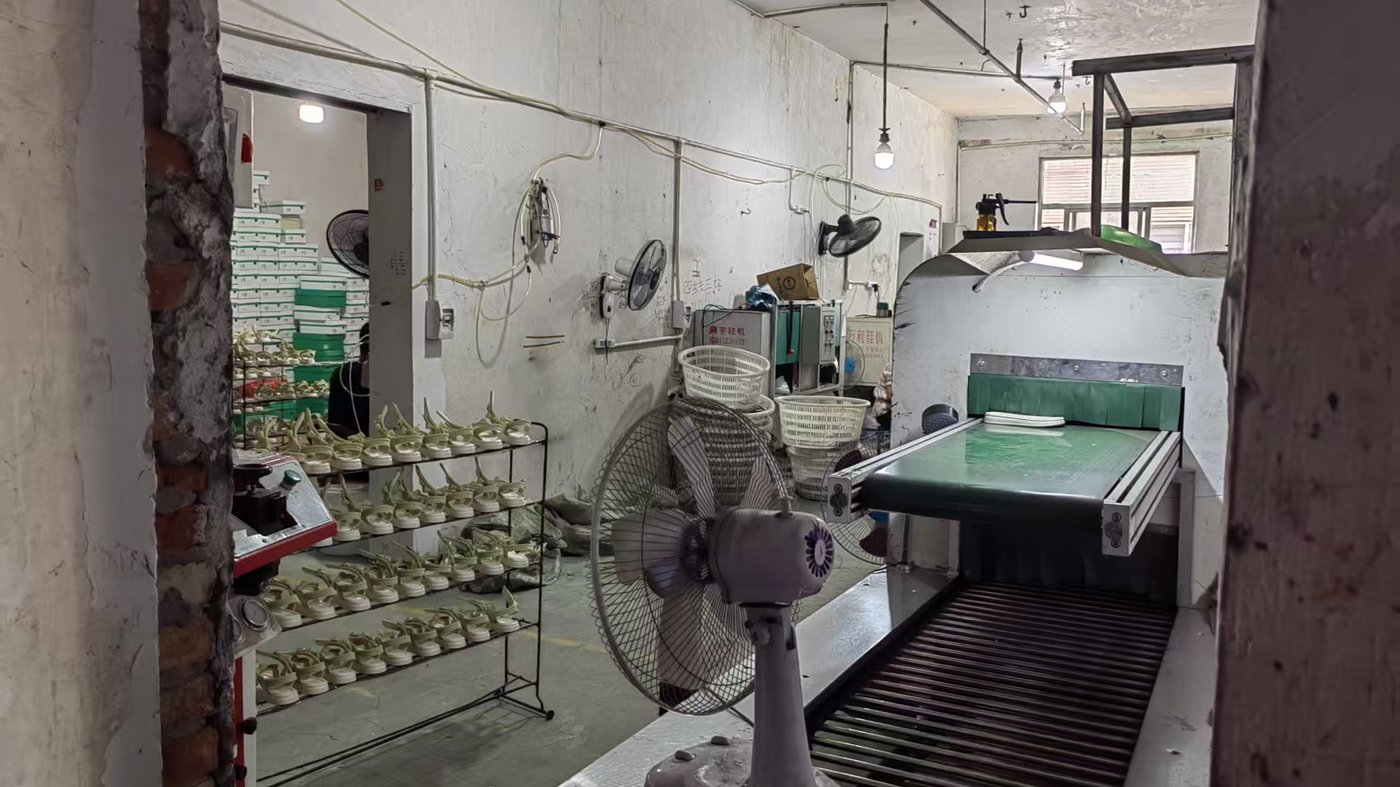
This guide is for boutique owners, small importers and brand founders placing their first women’s footwear order in China. By the end you will know how to define a product a factory can actually quote, how to read a quotation line by line, what a deposit does and does not buy you, and when the right decision is to walk away.
Start with the product, not the factory
Most first orders go wrong before anyone contacts a supplier. A buyer sends a photo saved from Instagram, asks “how much?”, and gets a number that means nothing because the factory guessed at ten decisions the buyer never made.
Before you write to anyone, write down five things: the style category, the upper material, the sole type, the heel height, and the retail price you intend to sell at. Even rough answers change the conversation completely.
Work backwards from retail
Boutique pricing in most Western markets runs somewhere between three and five times the landed cost. If you want to retail a sandal at 89 USD and you are working on a 3.5x multiple, your landed cost needs to be near 25 USD. Landed cost includes the shoe, the carton, freight, duty and your bank fees. The factory price is only part of it.
That single calculation tells a factory more than three paragraphs of description. When we hear “I need to land at 25 dollars, here is the look I want”, we can tell you honestly which parts of the look survive at that price and which do not.
Define the specification in plain language
- Category and occasion: flat slide, block-heel sandal, indoor slipper, espadrille-style flat.
- Upper: PU, genuine cow leather, sheep leather, raffia, woven textile, or a combination.
- Lining and insole: leather-lined, textile-lined, padded or unpadded.
- Outsole: TPR, EVA, rubber, or a wrapped wedge.
- Heel height in millimetres, and whether the heel is covered in the upper material.
- Trims: buckles, rhinestones, bows, knots, metal logo plates.
- Size range and the size run you expect to sell.
- Packaging: polybag only, generic box, or your own printed box.
Finding and shortlisting factories
China’s footwear industry is regional and specialised. Sports shoes, men’s dress shoes, injection-moulded sandals and handmade women’s footwear are made in different places on different equipment, and a factory excellent at one is usually mediocre at another.
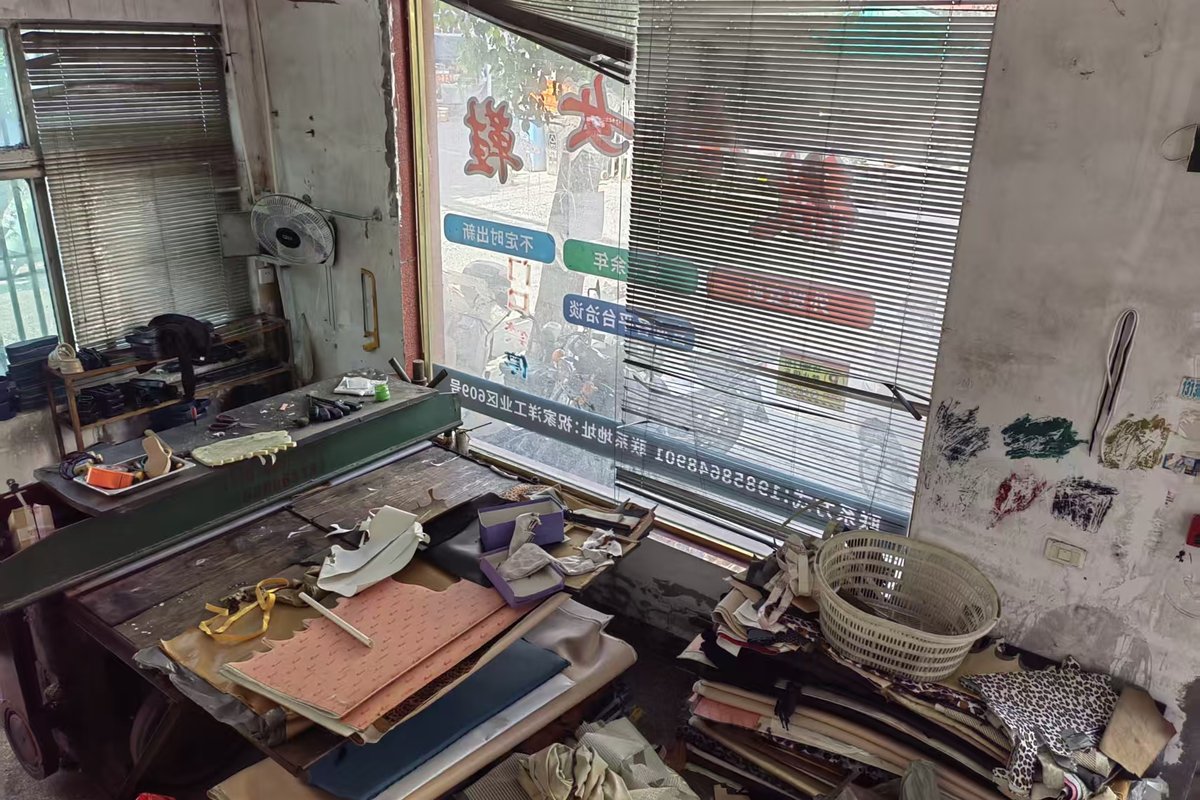
Wenling in Zhejiang has been a footwear town for decades, and the workshops here concentrate on handmade women’s sandals, slippers and flats. That specialisation matters more than factory size. A 30-person workshop that makes your exact category every day will out-perform a 300-person plant taking your style as a side job.
Shortlist on fit, not on the lowest price
Aim for three to five suppliers. Rule out anyone whose portfolio contains nothing close to your product, and anyone who answers a detailed technical question with a price quote and nothing else.
The questions that actually reveal capability
Generic questions get generic answers. These separate a real maker from a trading desk with a nice website.
- “Do you own the last for this shape, or would we need a new one? What does a new last cost and who keeps it?”
- “Which part of this design do you think will be the hardest to make consistently?” A real factory will name something specific. A reseller will say “no problem”.
- “How is the upper attached, and what adhesive and pressing process do you use?”
- “What is your minimum for this leather in this colour, and what happens if I only need 60 pairs of it?”
- “If I change the buckle after the sample, does that change the price or the lead time?”
- “Who makes the sole, and is that a stock mould or a new mould?”
- “Send me a photo of a shoe you are producing today, taken on the line, not from the catalogue.”
The most useful supplier answer you can get is a clear description of what will be difficult.
Reading a quotation line by line
A single number per pair hides everything. Ask for the quotation broken out. The breakdown below is roughly how a mid-range handmade sandal is built up.
| Line item | Share of factory price | What moves it |
|---|---|---|
| Upper material | 25-40% | Leather grade, PU quality, raffia hand-weaving, colour minimums |
| Outsole and heel | 10-20% | TPR vs rubber, wrapped wedge, new mould or stock mould |
| Lining, insole, board | 5-12% | Leather lining, padding, printed sock |
| Trims and hardware | 3-15% | Buckles, rhinestones, plating quality, stone count |
| Labour | 20-30% | Hand-stitching, weaving, number of assembly steps |
| Packaging | 2-6% | Polybag, generic box, printed box, tissue, hangtags |
| Last and mould | One-off charge | Charged separately, not per pair |
Mould and last costs are one-time charges, so they hurt a 30-pair order far more per pair than a 500-pair order. Always ask whether a stock last and stock sole can carry your design; on most sandals and flats they can, and you save the charge entirely.
Confirm the trade term as well. FOB, EXW and CIF are three different numbers for the same shoe, and one quote including a printed box against another including only a polybag is not the comparison it looks like.
Sampling
Sampling is where you buy information, not shoes. Expect a sample fee higher per pair than bulk; a sample takes a craftsman’s full attention and often a small material purchase.
Our sampling runs 7 to 10 days once the specification is settled. Plan for two rounds.
How to give sample feedback
- Photograph the issue and mark it. “Strap too long” is vague; a photo with “shorten 8mm” is actionable.
- Separate must-fix from nice-to-have, so the factory knows where to spend effort.
- Wear the sample for an hour. Comfort faults do not appear on a table.
- Approve in writing, and keep the approved pair sealed as your reference for inspection.
Deposits, production and inspection
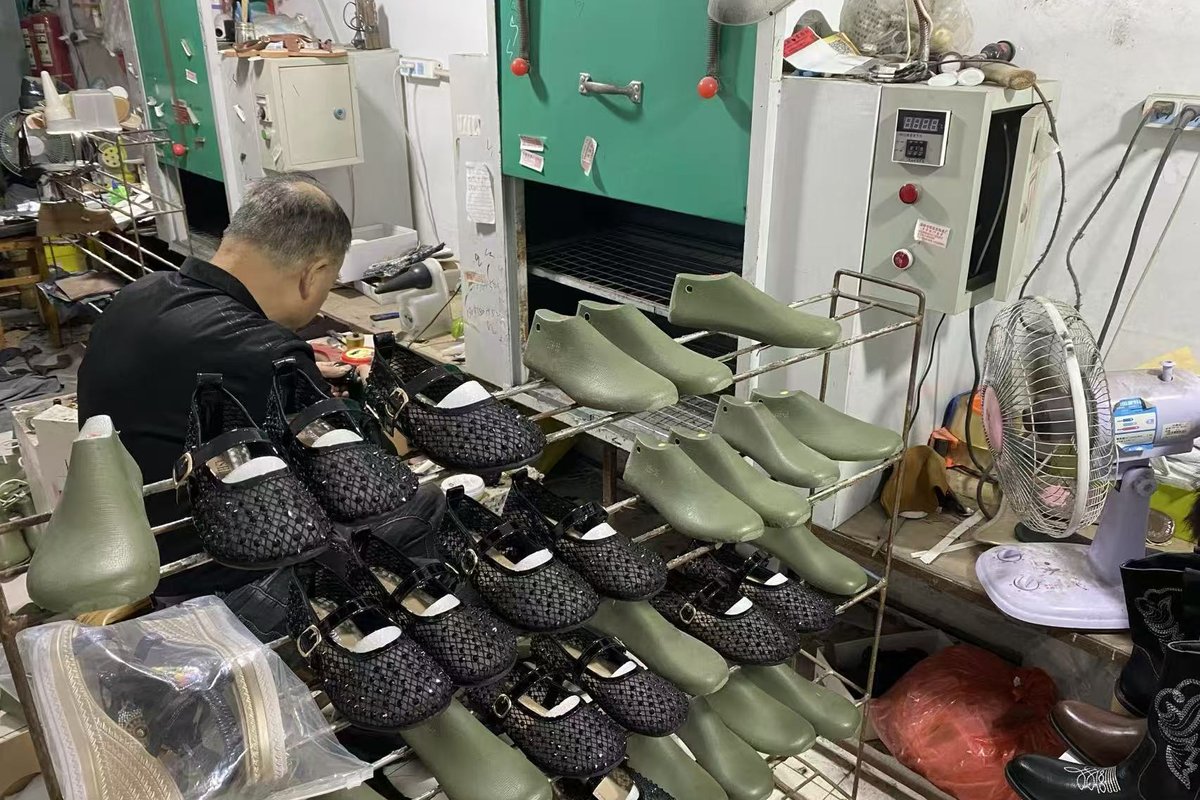
A standard arrangement is 30 percent deposit with the balance before shipment. The deposit buys material purchase and a slot in the production schedule. It does not buy priority over an order placed earlier, and it does not buy the right to change the design for free.
Once materials are cut, changes are expensive. Lock the specification before you pay.
Bulk production takes 15 to 30 days here depending on quantity, and the clock starts when materials arrive, not when you pay. Ask for the material arrival date, not just the ship date.
Inspection
For a first order, inspect. Either book a third-party inspector or ask for a structured photo and video set against your approved sample. Check the shoes before the balance payment, not after.
Chinese New Year and the weeks before it compress every schedule in the country. If you need spring sandals on shelves in March, your order should be confirmed in the autumn, not in January.
Shipping and landed cost
| Method | Best for | Typical transit | Trade-off |
|---|---|---|---|
| Express courier | Samples and 30-100 pair test orders | 3-7 days | Highest cost per pair, simplest paperwork |
| Air freight | Mid-size urgent restocks | 7-14 days | Needs a customs broker |
| Sea LCL | Several hundred pairs | 25-45 days | Port fees can surprise first-timers |
| Sea FCL | Full container programmes | 25-45 days | Cheapest per pair, largest commitment |
Footwear freight is usually charged on volume rather than weight, so ask for carton dimensions and pairs per carton early.
The mistakes that cost buyers money
- Choosing the lowest of five quotes without checking what each one includes.
- Skipping the sample to save two weeks, then discovering the fit is wrong across 300 pairs.
- Ordering a wide size run on a first order. Buy the middle sizes, learn, then extend.
- Approving by photo. Colour and hand-feel do not travel through a screen.
- Changing the design after the deposit and expecting the original price and date.
- Ignoring import duty and compliance labelling until the goods are at the port.
- Not keeping a sealed approved sample to inspect against.
When to walk away
Some situations do not improve. Walk away if a supplier will not give you a cost breakdown, if the price drops sharply the moment you hesitate, if they cannot name who makes their soles, or if the second sample ignores your written corrections. That last one is the clearest signal of all: a factory that does not act on feedback at 1 pair will not act on it at 300.
Walk away politely, too, when your product is simply not their category. A good supplier will sometimes tell you this first.
Ready to turn a reference photo into a costed, sampled sandal?
Send us your design or reference images with your target landed price and we will come back with a line-by-line quotation and an honest note on what is easy and what is not.
